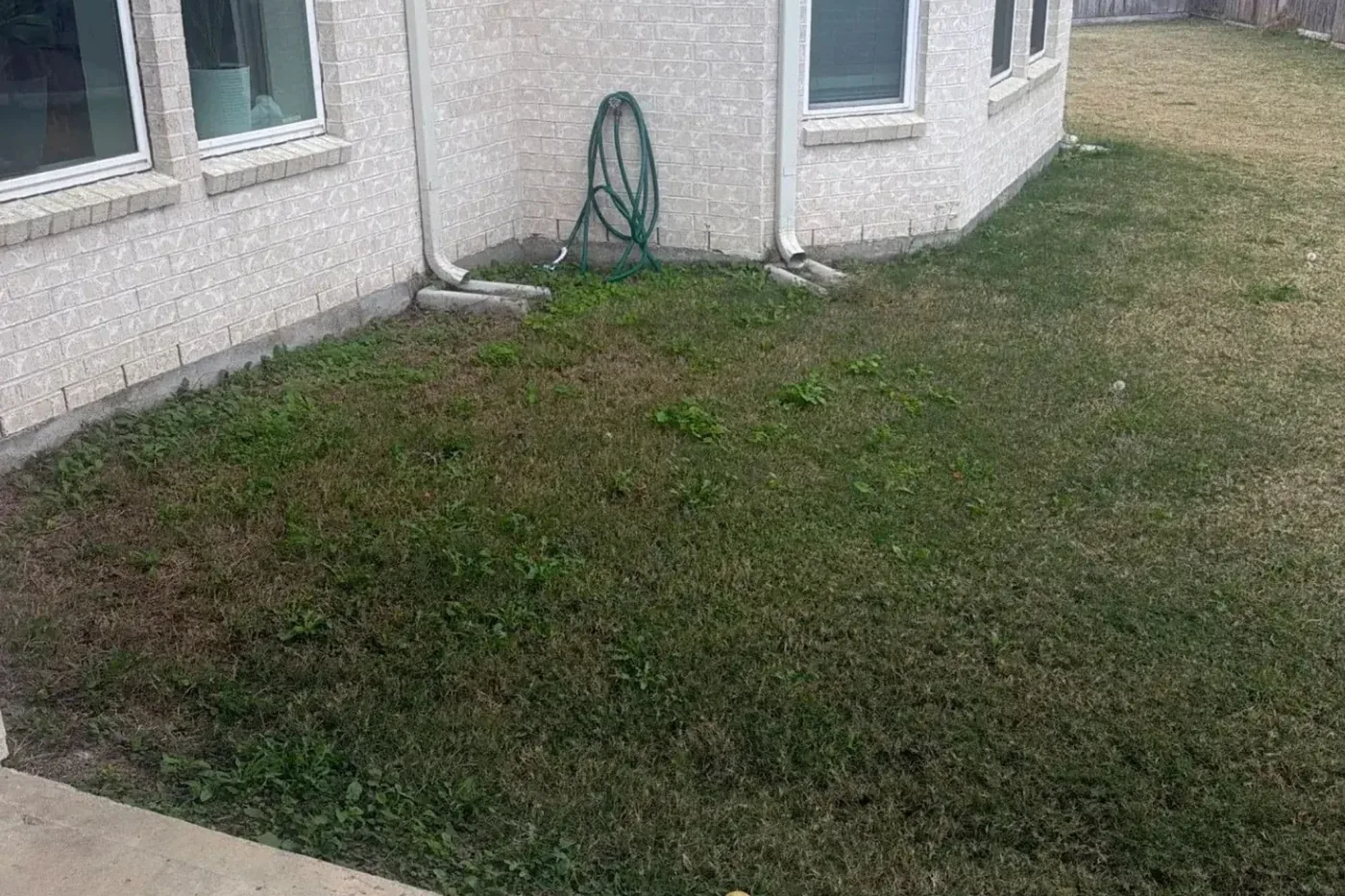
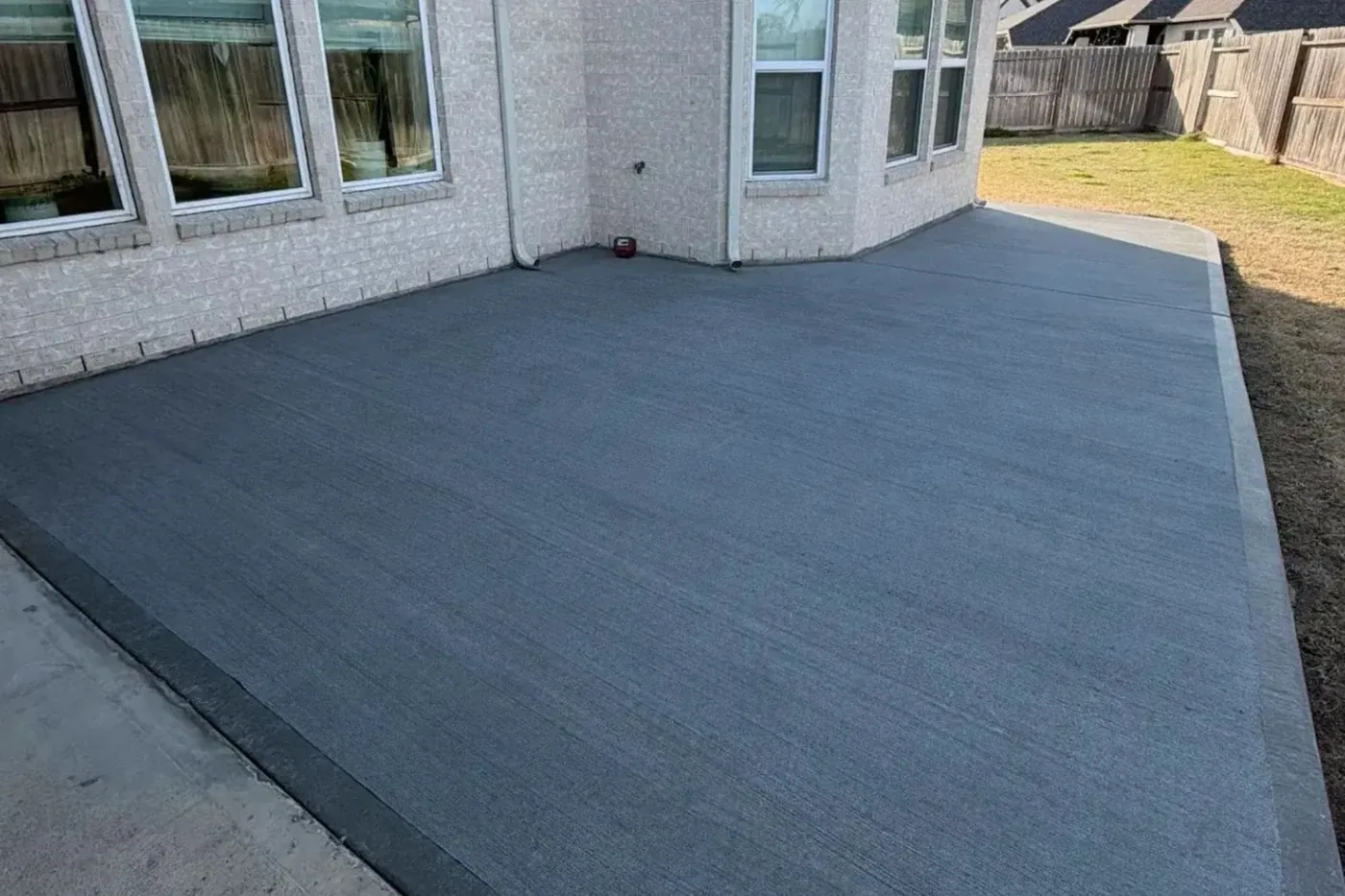
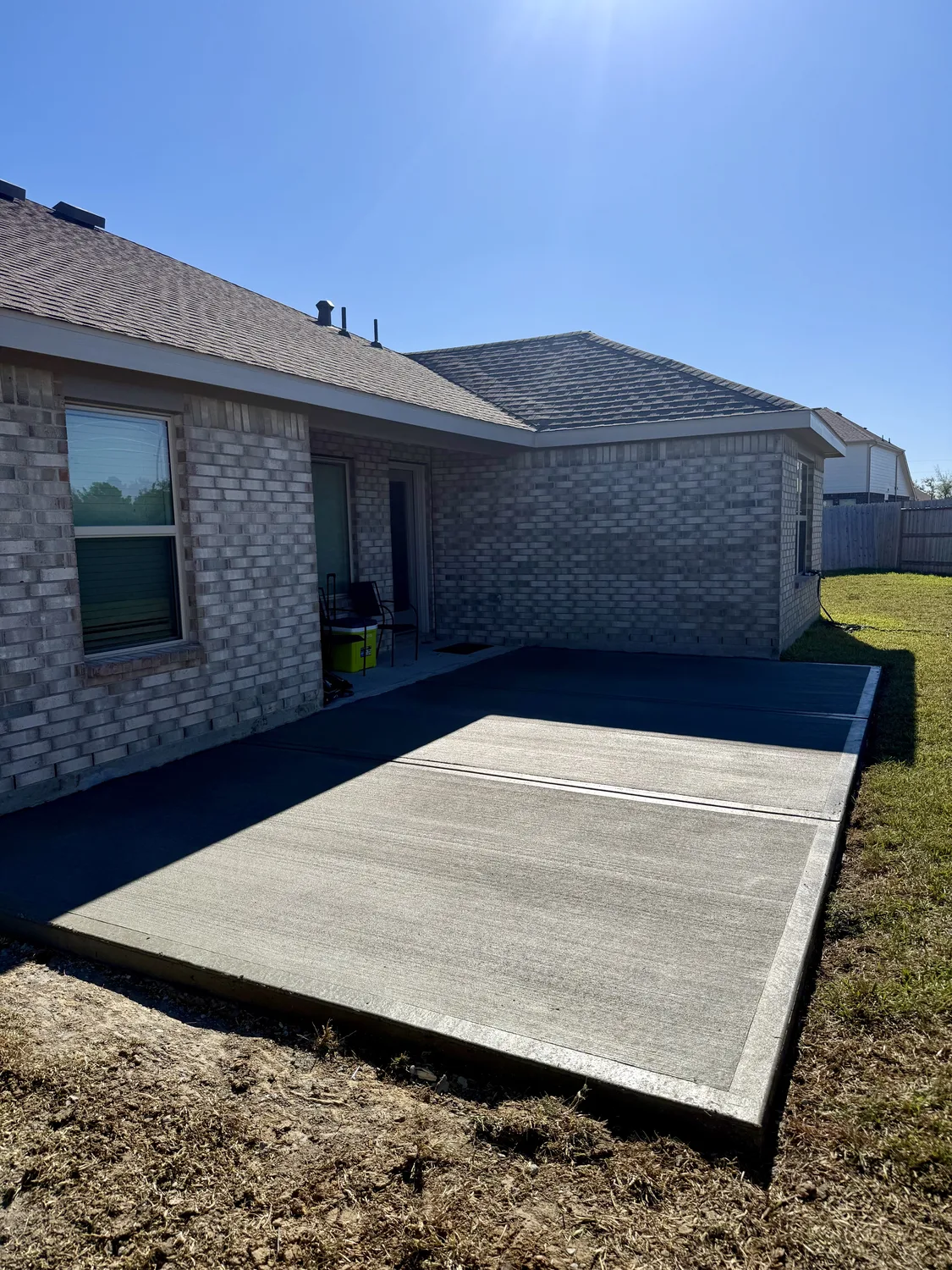
How much does a concrete patio cost in Sherman?
Concrete up in the Texoma area carries real cost drivers: base prep that has to suit either expansive clay or sandy Cross Timbers ground, reinforcement to handle soil movement, and a cure that beats summer evaporation. As an honest starting range, most broom-finish patios around Sherman run about $8 to $14 per square foot, and stamped or decorative work about $14 to $22, before base prep. From there it follows square footage, finish, and how much the soil under it demands. We price it after seeing the space, never a low number over the phone we can't stand behind.
How thick should a concrete patio be?
A residential patio goes on a 4-inch pour, enough for furniture and foot traffic, and we build it up thicker where something heavy like a hot tub is going on top.
Will the soil in Grayson County crack my patio?
It depends which soil your lot has, and a lot of properties around here have both. Blackland clay swells and shrinks with the rains and dry spells and is the usual culprit behind a shifting slab, while sandier Cross Timbers ground behaves differently and needs its own base treatment. We figure out what is under your yard and build the base for it, then cut control joints so any movement follows a line we picked. We won't claim concrete never moves; we decide where it does.
Does Texoma summer heat change when you pour?
It can. In peak afternoon heat the surface loses water fast and the finish pays for it, so we schedule around the worst of it, reach for evaporation retarders, and hold a cure plan. If a cooler day or an early start gets you a stronger slab, we will tell you so.
Should I go with stamped or a broom finish?
Broom is the everyday pick: textured, sure-footed when wet, and easier on the wallet. Stamped gives you the look of stone or slate, but the Texas sun works on the color, so it asks for resealing on a schedule to stay sharp. We will weigh both against how you actually plan to use the patio.
Will a concrete patio drain properly?
Yes. We pitch the slab so rain heads out toward the yard instead of pooling on it. Water that lingers along the edge of the concrete keeps clay ground swelling unevenly, and that lopsided push is what works a slab loose over time.